€15 million
in co-funding
Last update: 08/08/2025
Transforming the Food System by Empowering Mexican Smallholder Farmers
| status | Handed-over |
|---|---|
| country | Mexico |
| theme | Regenerative agriculture |
| Implementation Date |
2011
To date
|
| Budget |
16,2M€
|
Project
Learn everything about the project
Metrics
The effects of our project
Humans of Ecosystem Voices
The people working behind the scenes
Knowledge
How our project relates to our missions
Partners
Those that help us be successful
Supported SDG’s
Sustainable Development Goals
Coordinator
Danone Ecosystem team
In Mexico, the dairy sector is crucial to the national economy, with smallholder farmers producing 40% of the country’s milk. Despite their significant contribution, these farmers face numerous challenges. Mexico has a milk deficit of 39%, with one-third of the country’s milk being imported, mainly as powdered milk. Small dairy producers struggle with low mechanisation , quality, and productivity, compounded by the effects of climate change and high selling price volatility.
These intertwined environmental, economic, and social challenges hinder smallholder farmers’ ability to connect to higher value markets and achieve sustainable growth.
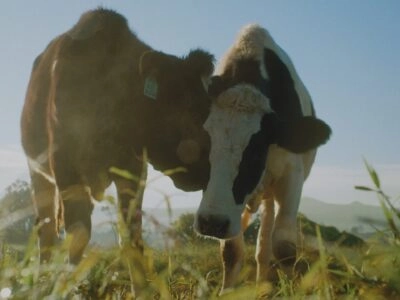
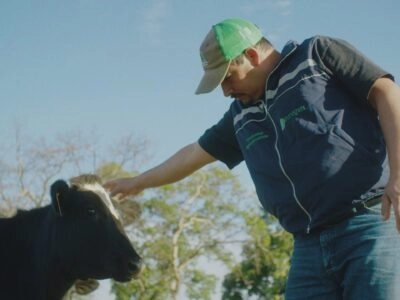
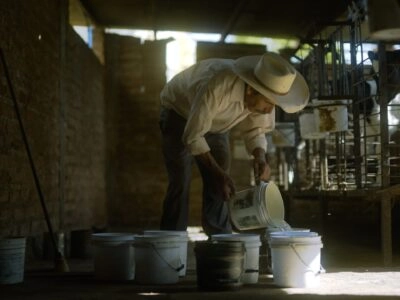
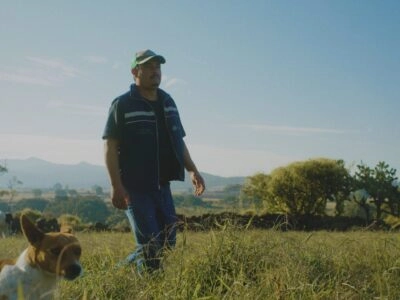
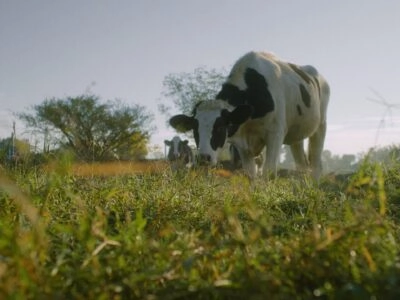
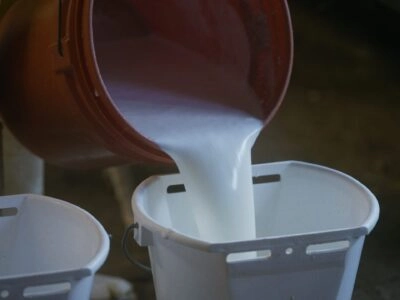
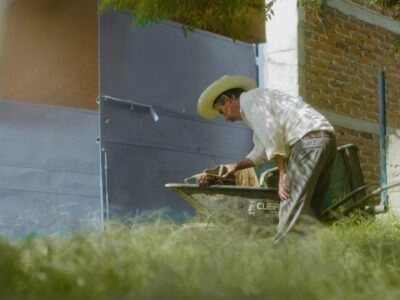
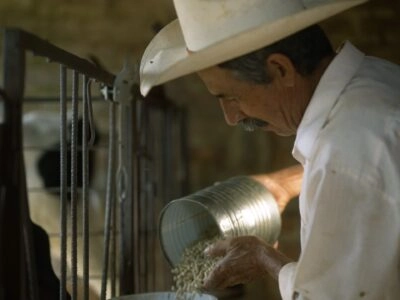
n 2010, a coalition of partners including Danone Ecosystem, Danone de Mexico, TechnoServe, NUUP, Mondelez, and the Government of Mexico launched the Margarita project to improve milk production in Mexico. The project aims to support over 900 smallholder dairy farmers by addressing challenges related to market access, technification, quality, and productivity.
The project is built on four pillars:
1. Social:
Training farm technicians at Mexico’s top university, UNAM, and creating a network of smallholder farmers with cooperative values. Providing comprehensive support to farmers, including technical assistance and access to credit, to improve their practices and secure a stable income.
2. Economic – Access to Finance Promoting sustainable milk production by empowering smallholder farmers through the ROSCA mechanism, a rotating savings and credit system that enables collective saving, affordable credit access and risk reduction for lenders. This model helps farmers build credit history, unlock financing for sustainable investments, and strengthen partnerships with government and private sectors. As a result, farmers can increase productivity, secure stable livelihoods and contribute to food security.
3. Environmental:
Implementing regenerative agriculture practices to reduce carbon emissions and improve farm sustainability. Assessing all participating farms on animal welfare and promoting best practices in herd management, feed reformulation, and manure and water management.
4. Technological:
Introducing innovative solutions such as connected cow collars for monitoring, and centralized feed purchases to ensure stable pricing and market connection.
The Margarita project has been implemented in three phases, each building upon the previous to ensure sustainable growth and impact.
Through these pillars and phases, the Margarita project fosters sustainable businesses, supports rural development, and improves the quality of life for small producers, while securing milk procurement in the region.
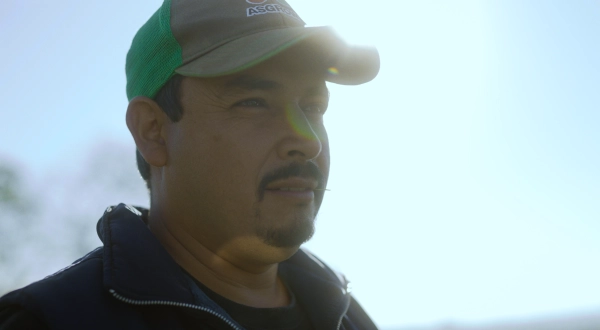
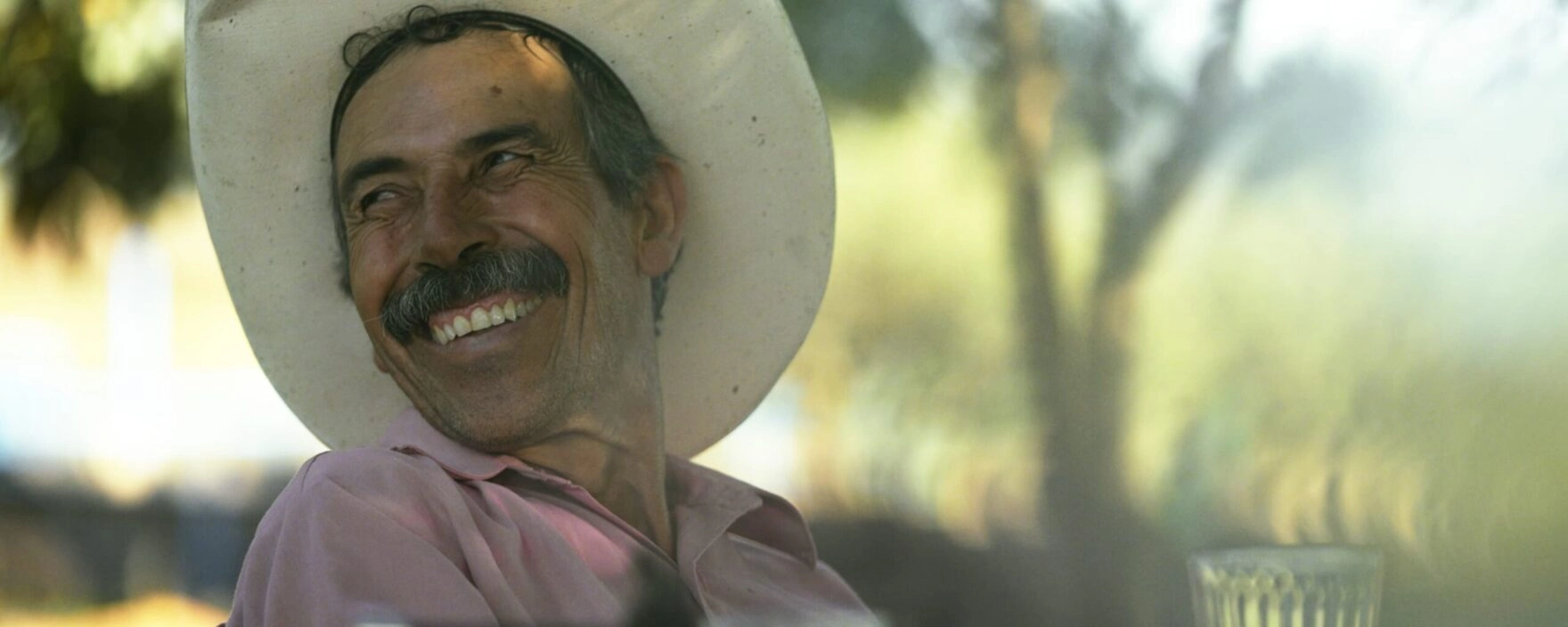
Jaime
Farmer
Regenerative agriculture
Published on 31/07/2025
Discover Jaime's Testimony, and the Role of Margarita in Supporting Mexican Smallholder Dairy Farmers
Regenerative agriculture
Published on 31/07/2025
Empowering Mexican Smallholder Dairy Farmers to Improve Rural Livelihoods and Contribute to Food Security

Senior LATAM Project Coordinator
Cristina is Senior Coordinator for Latin America at Danone Ecosystem. Before joining the team, she worked on designing and coordinating sustainability business projects across the region, with a particular focus on regenerative agriculture.