€ 566 K
in funding
Last update: 10/06/2019
Supporting the development of an innovative, resource-efficient manure management model for dairy farms in Belgium
| country | Belgium |
|---|---|
| theme | Regenerative agriculture |
| status | Terminated |
| Implementation Date |
2016
2019
|
| Budget |
566K
|
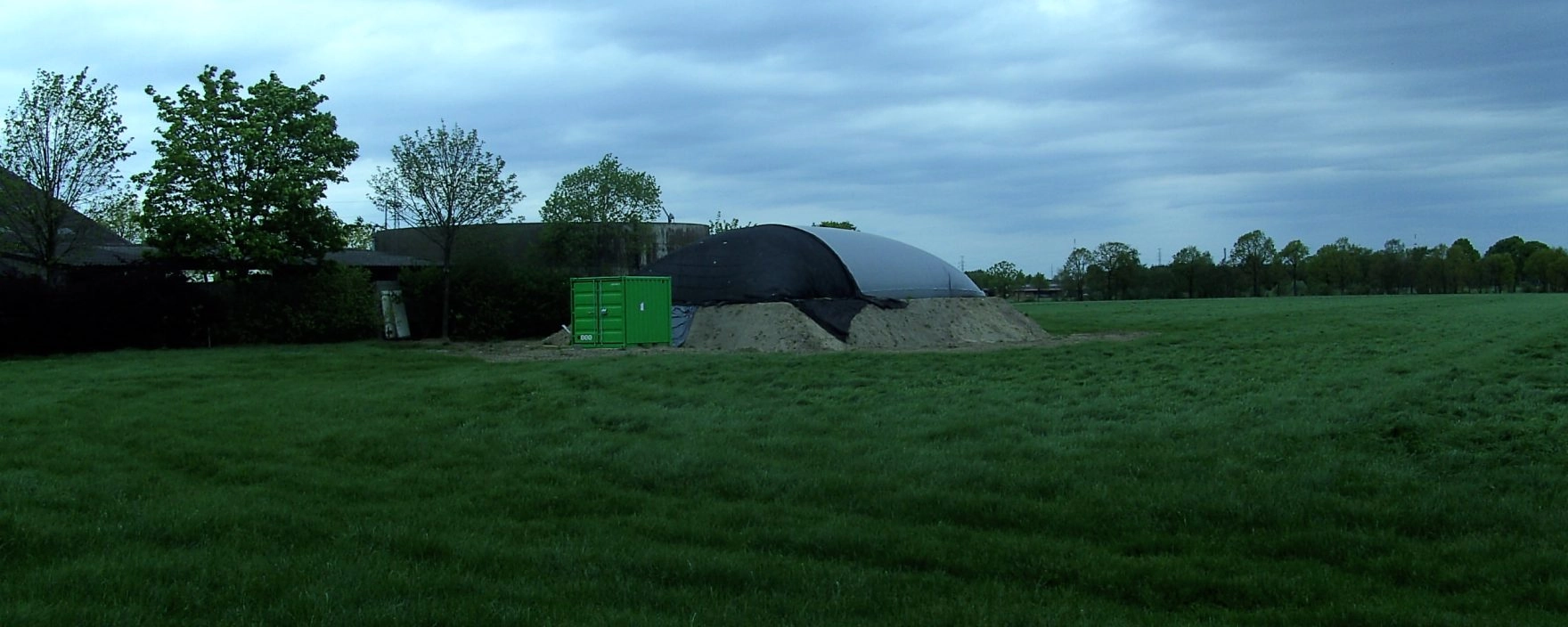
Manure production from livestock operations creates significant environmental pressures, impacting biodiversity and water quality while increasing greenhouse gas emissions.
By the mid-2000s, the European Union was reinforcing its framework for water protection, while Flanders had introduced stricter rules governing manure use on agricultural land. More broadly, Europe imposed strict limits on the amount of manure that could be applied to fields in order to protect water quality and biodiversity. However, many Flemish dairy farmers did not have sufficient land available to spread their manure.
Together, these evolving environmental obligations placed increasing pressure on livestock farmer, particularly those who had not yet transitioned to more sustainable practices.
Launched in 2016, the project aimed to support farmers in improving manure valorization through both collective and individual approaches, with a focus on optimizing manure management to reduce environmental pressures.
In collaboration with a pilot group of dairy farmers, several manure processing techniques were explored and assessed for their practical feasibility. A key initiative involved testing a processing installation capable of recovering nitrogen from manure surplus, enabling farmers to produce their own fertilizers instead of purchasing them. The project also introduced practical solutions to reduce logistical constraints by encouraging farmers to share transportation resources for delivering manure surplus to treatment plants.
The project was terminated in 2019.