1.3M
in funding
Last update: 24/06/2016
Creating Sustainable Livelihood Ecosystems for Small Dairy Farmers in China
| country | China |
|---|---|
| theme | Regenerative agriculture |
| status | Terminated |
| Implementation Date |
2012
2016
|
| Budget |
1.3M
|
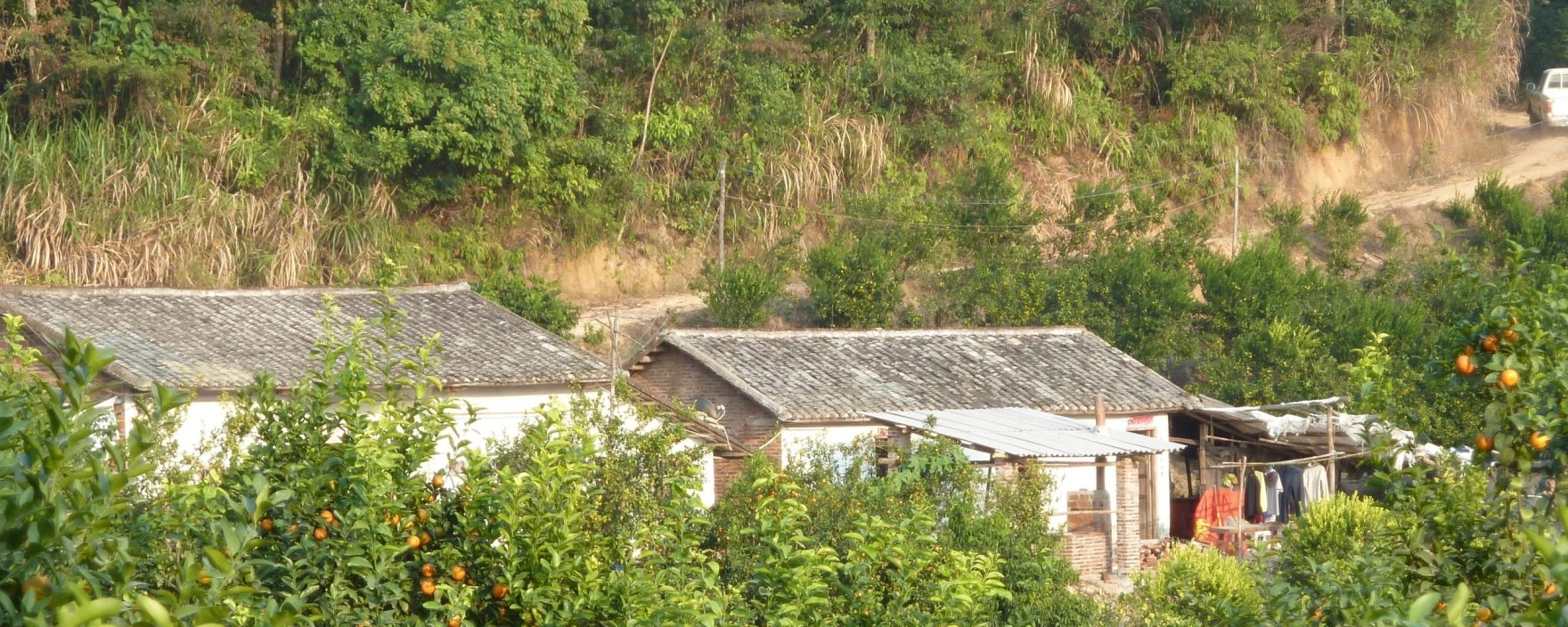
By 2012, China’s dairy sector was facing a significant supply-demand imbalance, with domestic milk production struggling to keep pace with rising demand. Following the 2008 food safety crisis, stricter quality regulations and structural reforms led to the progressive exclusion of many smallholders from formal supply chains, as the sector shifted toward larger and more controlled production systems.
At the same time, northern regions were experiencing environmental degradation driven by overgrazing, contributing to grassland desertification. This, in turn, reduced agricultural productivity and exacerbated poverty among rural populations dependent on livestock farming.

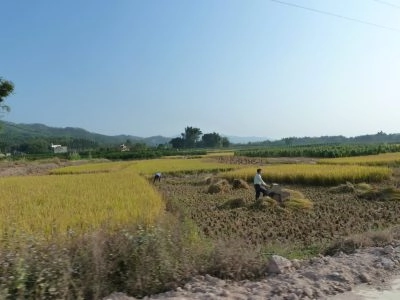
Launched in 2012, the Sustainable Farming China project developed an innovative “cow hotel” model within a broader ecosystem designed to support small dairy farmers. Farmers were organized into self-help groups and cooperatives, strengthening their ability to manage resources and access essential farming services, including technical support, training, market access, and micro-credit. This structure enabled farmers to better integrate into formal value chains while diversifying their income sources.
This approach fostered collective value creation, improved livelihoods, and contributed to the establishment of a self-sustaining development model at the community level.
In parallel, the project improved milk quality and environmental sustainability by promoting higher production standards, better animal management, and the use of improved cattle breeds. It also addressed environmental degradation in northern China by regulating grazing practices, reducing pressure on grasslands and mitigating desertification.
The project is now independent and has been handed over in 2016.