391 K
in funding
Last update: 09/06/2025
Supporting farmers in transitioning to locally sourced proteins for animal feed.
| country | Germany |
|---|---|
| theme | Regenerative agriculture |
| status | Terminated |
| Implementation Date |
2017
2025
|
| Budget |
391K
|
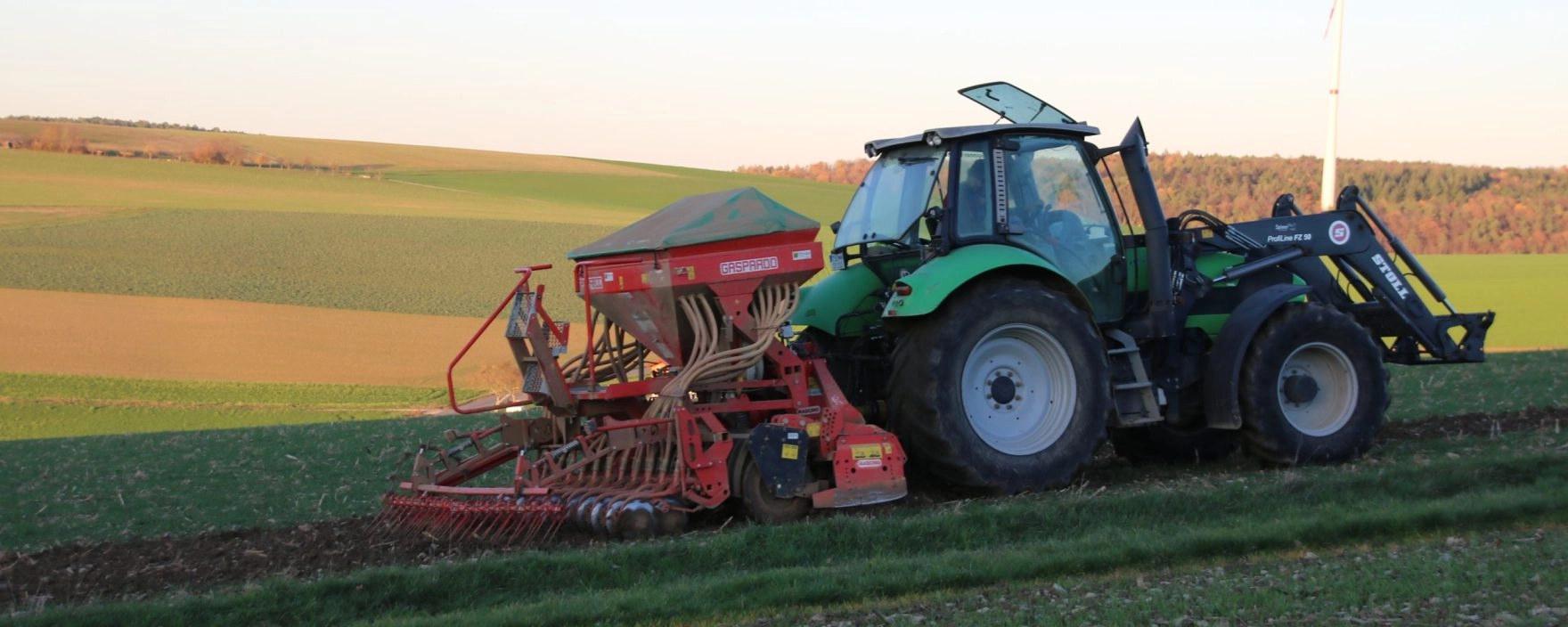
To feed their livestock, European farmers are highly dependent on imported soy, particularly from Latin America. This reliance raises significant environmental concerns, as soy production in countries such as Brazil, Argentina, and Paraguay has been strongly linked to large-scale deforestation.
Soy is typically grown in vast monocultures that rely heavily on agricultural chemicals, posing a threat to biodiversity. This system is closely tied to the widespread use of genetically modified (GMO) soy, whose DNA has been specifically altered to make crops resistant to herbicides. As a result, farmers can apply large quantities of chemicals. In 2016, over 90% of soy imported into the EU was genetically modified, fueling public debate across Europe—particularly in Germany, where consumers are among the most concerned about GMO crops.
In addition, farmers are exposed to significant volatility in global soy prices, which can directly affect their economic stability and livelihood.
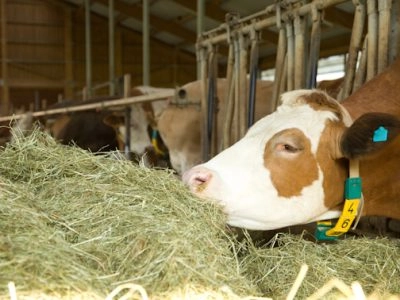
Launched in 2017, the ProFee project supported farmers in transitioning to locally produced protein feed by promoting regional protein sources and improving feeding practices on family farms. It focused on optimizing on-farm protein production (e.g., soy, alfalfa, grasslands), enhancing feeding efficiency, and strengthening herd and stock management.
Through field trials, advisory support, and knowledge sharing, the project reduced reliance on imported soy and associated costs, while increasing farm self-sufficiency. By strengthening farmers’ capacity to produce their own protein crops, it also enhanced resilience to external shocks, including price volatility in global soy markets and climate-related challenges. The project contributed to maintaining the agricultural cultural landscape in Bavaria, while supporting biodiversity, improving soil health, and promoting more sustainable farming systems.