€ 697K
in funding
Last update: 28/05/2020
Supporting better working conditions and inclusive recycling systems in Ghana
| country | Ghana |
|---|---|
| theme | Inclusive Plastic Collection |
| status | Terminated |
| Implementation Date |
2017
2020
|
| Budget |
697k
|
| Stage | Terminated |
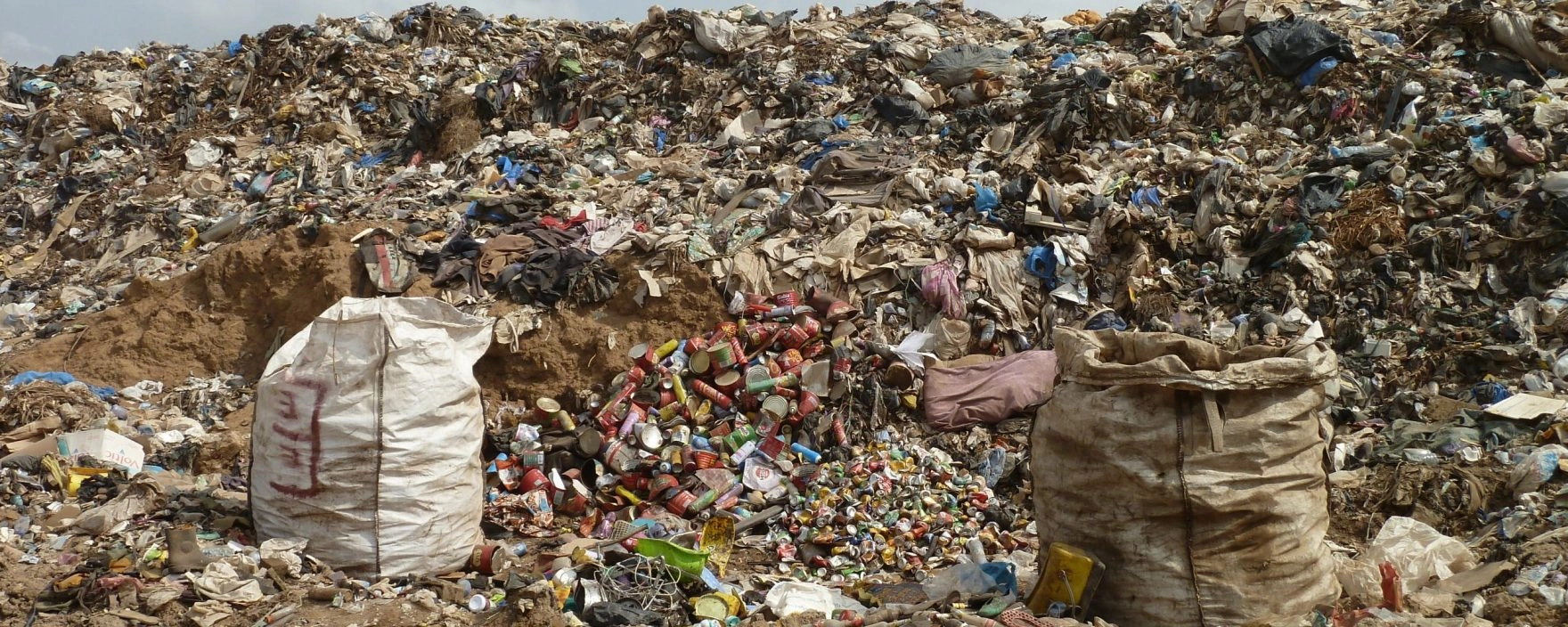
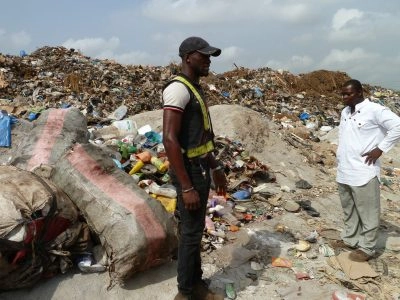
In 2017, Greater Accra faced environmental and social challenges. Each year, around 150,000 tons of plastic waste were generated, with half leaking into the environment. This unmanaged waste clogged drainage systems, driving recurrent floods and long-term pollution of waterways and oceans.
At the same time, the recycling system relied on a highly vulnerable informal workforce. Over 5,000 waste pickers operated in unsafe conditions; approximately 85% exposed daily to health risks. Despite their critical role, they remained unrecognized, with no social protection or formal integration into the system.
In 2017, Danone Ecosystem launched the “Pick‑it!” project with a coalition of local and international partners, including FanMilk, Environment 360°, WIEGO, and the MIT D‑Lab.
The Pick-it! project improved plastic recycling rates in Ghana by increasing the collection of plastic waste, while also improving waste pickers’ livelihoods. This was achieved through the establishment of a sorting center that diverted waste from landfills and enhanced recycling efficiency. In parallel, the project reinforced the recycling ecosystem by structuring and professionalizing waste pickers, improving their working conditions through skills development, access to health insurance, and greater recognition of their role within society.
Building on this systemic approach, the project also contributed to structuring the broader recycling sector through the creation of the GRIPE Coalition. This multi-stakeholder platform was designed to enhance waste management practices in Ghana by fostering greater coordination and efficiency across the value chain.
Through research, advocacy, and the piloting of innovative solutions, GRIPE promotes stronger policy frameworks, increased plastic waste collection, and higher recycling rates, while supporting scalable models that generate employment opportunities.
Even after the project ended, GRIPE continues to operate and generate impact in the recycling sector.