2.2M €
in funding
Last update: 28/05/2017
Strengthening nutrition and employment opportunities in rural Egyptian areas
| country | Egypt |
|---|---|
| status | Handed-over |
| theme | Legacy Projects |
| Implementation Date |
2011
2017
|
| Budget |
2.2M
|
| Stage | HANDED-OVER |
Before structuring our work around today’s key focus areas, Danone Ecosystem developed pioneering initiatives. Among them, our Inclusive Distribution projects played a central role in empowering vulnerable populations and creating opportunities for local entrepreneurship.
These early projects laid essential foundations for our current model: people and their communities are at the heart of everything we do. We strive to build truly sustainable initiatives by training and strengthening the capabilities of key professionals and the communities they serve.
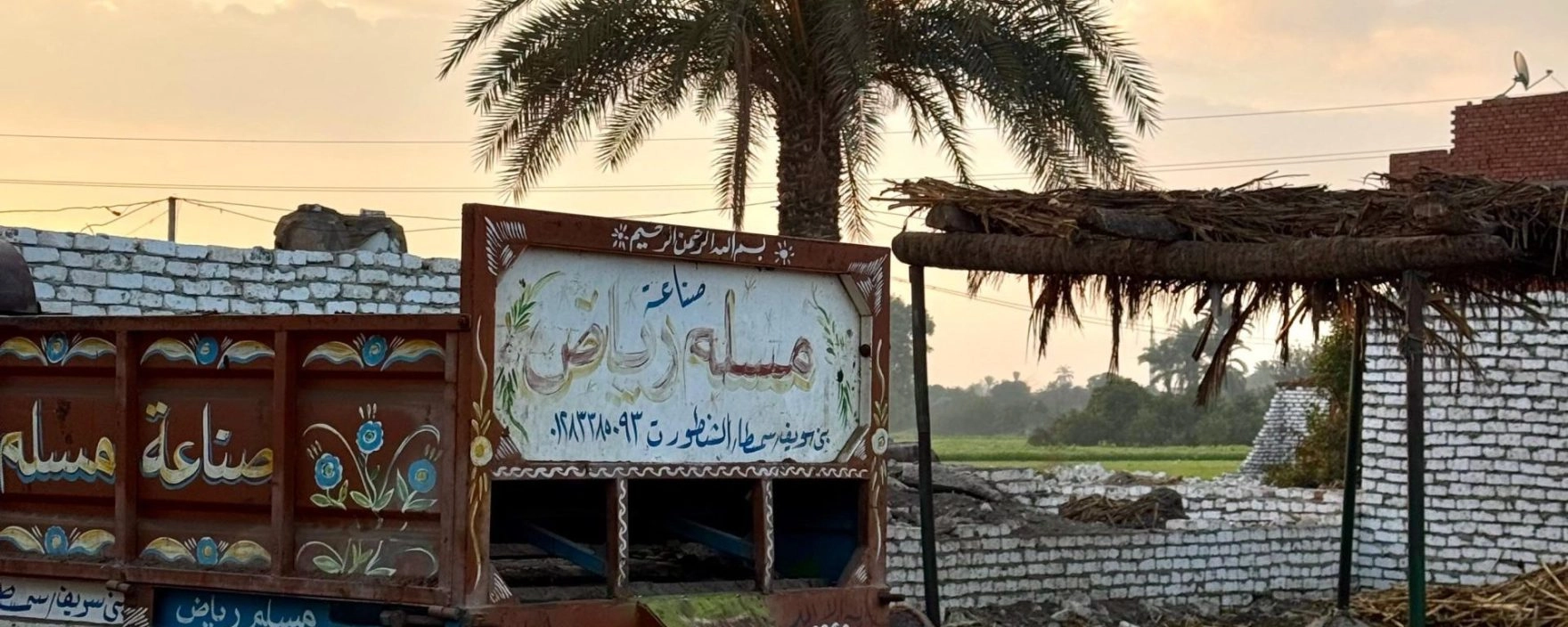
In Egypt, around 60% of the population lives in poor rural areas, where unemployment and child malnutrition remain major challenges. Many families lack access to basic knowledge and education on healthy and balanced diets, limiting their ability to improve nutrition outcomes.
At the same time, reaching these rural and peri‑urban areas through conventional distribution channels is difficult. Poor infrastructure and geographic dispersion make access to affordable, nutritious products challenging, both for communities and for companies operating in the region.
Launched in 2012, with the support of the Danone Ecosystem Fund, Danone Egypt, and Ashoka Arab World, the OMDA Sahteen project was designed to improve access to nutrition while creating local economic opportunities.
The project supported people in rural and peri‑urban areas in setting themselves up as micro‑distributors, while educating communities on health and nutrition. It created entrepreneurial opportunities through the development of a local micro‑distribution network across Egypt, with micro‑distributors gaining access to micro‑credit to purchase essential equipment such as refrigerators and vehicles, ensuring maintenance of the cold chain. A portion of sales was reinvested to fund nutrition education for families, promoting healthy eating habits and improved nutritional practices.
The project became independent and was successfully handed over in 2017.