80
farms in transition by 2027
Last update: 08/08/2025
Transitioning to Regenerative Agriculture in Navarra
| status | On-going |
|---|---|
| theme | Regenerative agriculture |
| country | Spain |
| Implementation Date |
2024
2027
|
| Budget |
3,33M€
|
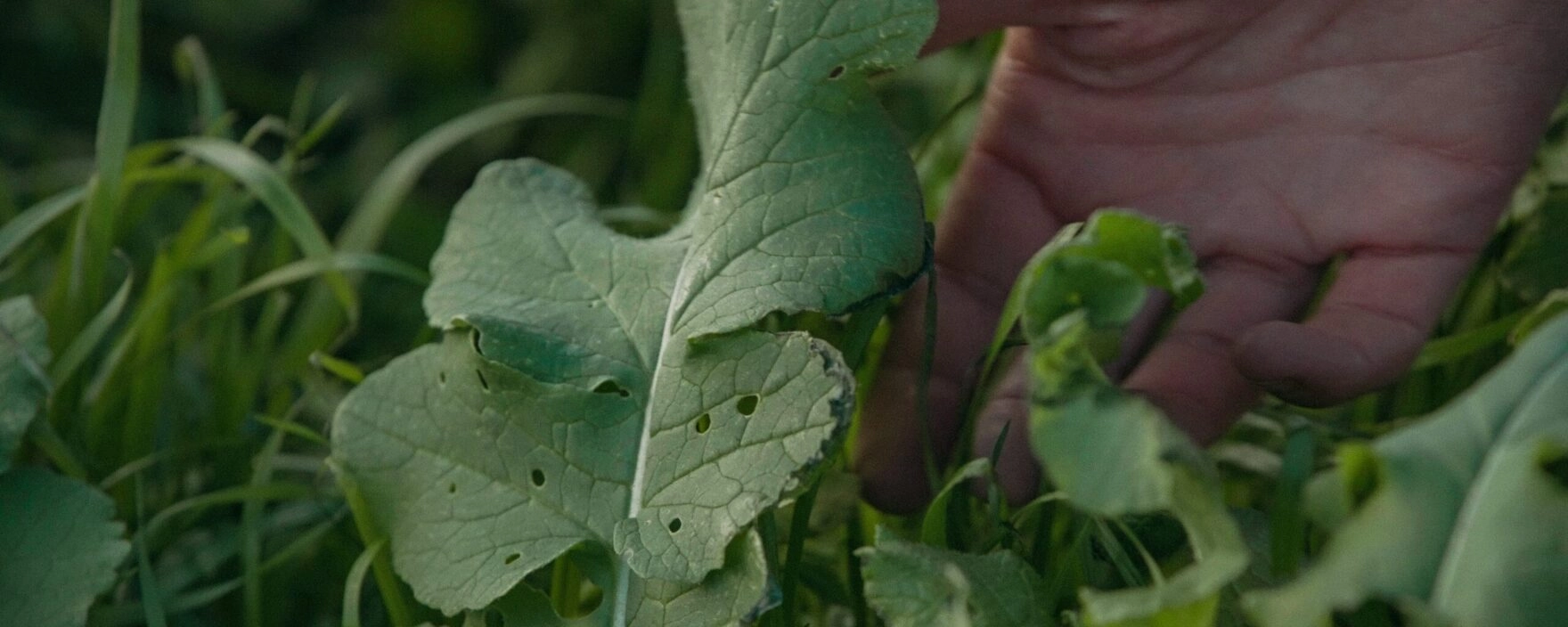
Soil erosion is an issue that puts Navarra’s future production at risk. According to studies carried out by the University of Navarra, the rate of soil erosion in some agricultural areas exceeds sustainable limits, which negatively affects soil quality and agricultural productivity:
Navarra 360º aims to transition to regenerative agriculture at rotation scale. This is a landscape program, combining public and private actors in a European-wide value chain. long value chain.
The program will span over 3 years to enable hands-on learning , community and collective building, and achieving proven impact.
By 2027, 80 farms will transition to regenerative farming practices. This initiative includes collective training for technicians and farmers, along with individual support for each farm. Personalized transition plans will be implemented to ensure the success of each farm’s transition.
Additionally, the project aims to reduce the use of plant protection products and mineral fertilizers. Economic modeling will be used to monitor the cost of the transition, while financial incentives will help onboard farms and maintain stable EBIT.
Finally, the impact of the project will be measured through the monitoring and analysis of 60 key performance indicators (KPIs). To verify the regenerative impact, farms are baselined and monitored in alignment with the SAI framework and Science Based Targets for Nature (SBTn).


EU Projects Coordinator
Anouck coordinates the European project portfolio at Danone Ecosystem, working closely with partners across brands and countries.