2.16 M
in funding
Last update: 09/06/2018
Supporting Dairy Farmers in Fukushima
| status | Handed-over |
|---|---|
| country | Japan |
| theme | Regenerative agriculture |
| Implementation Date |
2012
2018
|
| Budget |
2.1M
|
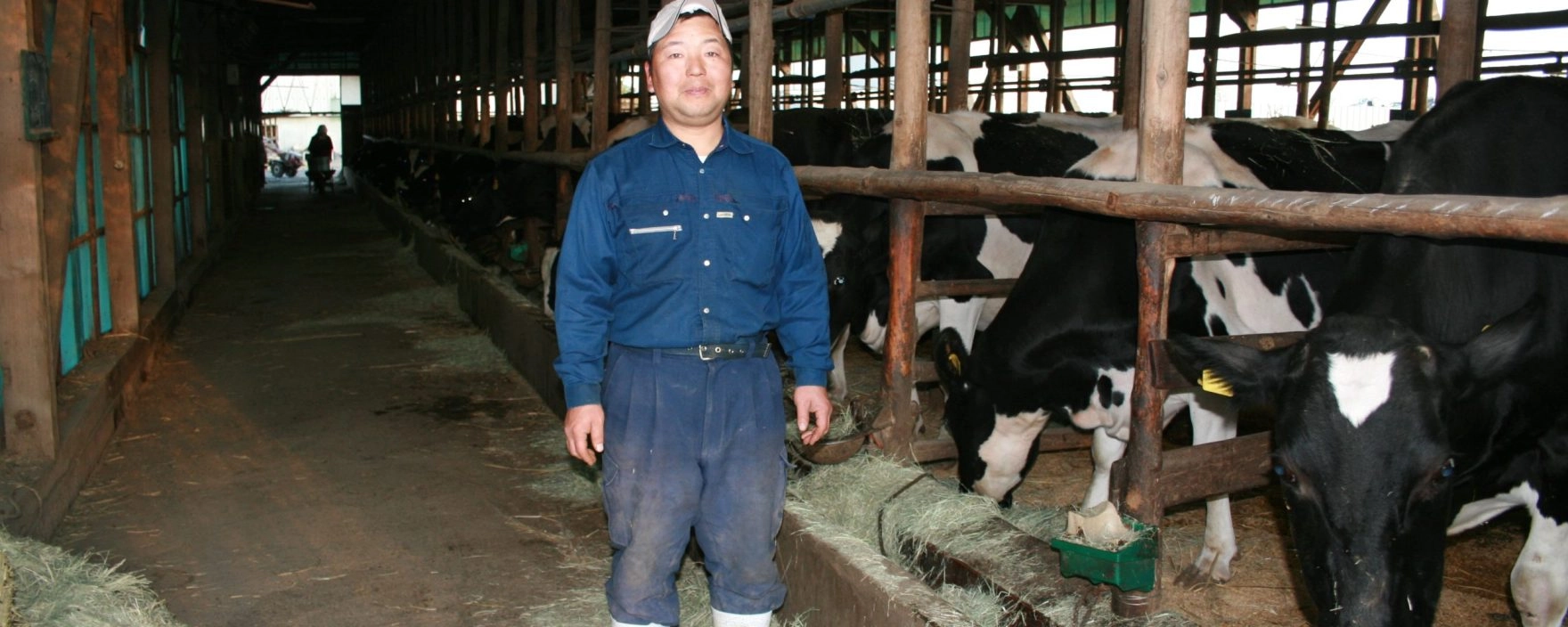
Japan’s agricultural sector, including the dairy industry, had been facing structural challenges: raw milk production had been declining due to an increasing number of abandoned farms and the growing impact of climate-related events such as recurrent droughts.
In addition, the farming population had been ageing rapidly, with fewer young people entering the sector. Farming had remained relatively unattractive to new generations due to high initial investment costs, the long time required to build a profitable business, and demanding working conditions, which often resulted in a poor work–life balance.
In regions such as Fukushima, these existing challenges had been intensified by the 2011 earthquake, tsunami, and nuclear accident, which disrupted production and damaged infrastructure in the region.
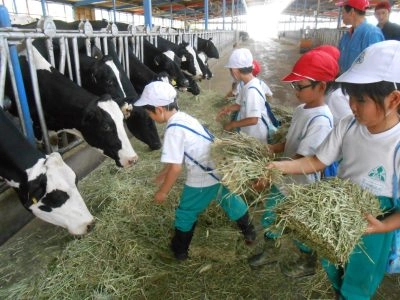
The Minero Pilot Farm project was co-developed by the Danone Ecosystem Fund, and its partners to create a cooperative model farm in Japan. The initiative aimed to demonstrate resilient farming models capable of supporting farmers and strengthening food sovereignty.
The project provided training to strengthen farmers’ professional skills and promote sustainable, eco-friendly, and energy-efficient farming practices, contributing to improvements in both the quantity and quality of milk production, while establishing a concrete model for more sustainable dairy farming in Japan.
The initiative also created job opportunities for dairy farmers affected by the Fukushima disaster, supporting their reintegration into the sector. It contributed to improving their quality of life by enabling more stable incomes and better working conditions.
The project is now independent and has been handed over in 2015.