299
People trained
Last update: 09/06/2018
Rebuilding Dairy Farming and Sustainable Livelihoods in Post-Eruption Yogyakarta
| status | Handed-over |
|---|---|
| country | Indonesia |
| theme | Regenerative agriculture |
| Implementation Date |
2012
2018
|
| Budget |
2.3M
|
Indonesia sits on the Pacific Ring of Fire, making it highly exposed to volcanic hazards. On Java, the country’s most densely populated island, Mount Merapi is one of the most active volcanoes, spanning Central Java and the Special Region of Yogyakarta.
Despite frequent eruptions, communities continue to live on its slopes because volcanic ash creates fertile land that supports agriculture. However, this dependence comes with significant risk. The 2010 eruption was particularly devastating: more than 2,000 cows died and around 2,526 farmers were displaced, losing both their homes and livelihoods. Fields were destroyed, and many farmers were left without the livestock, land, or resources needed to restart their dairy activities.
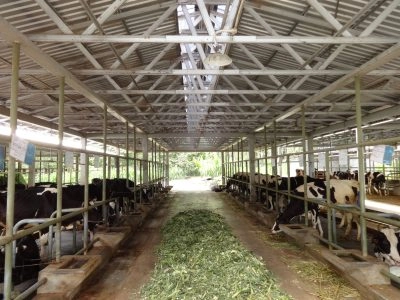
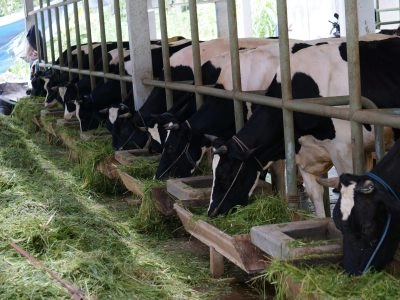
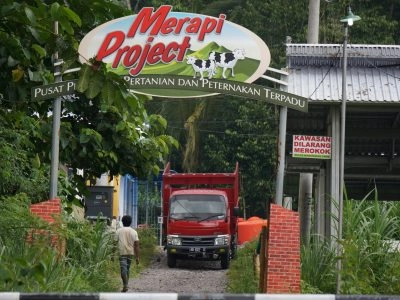
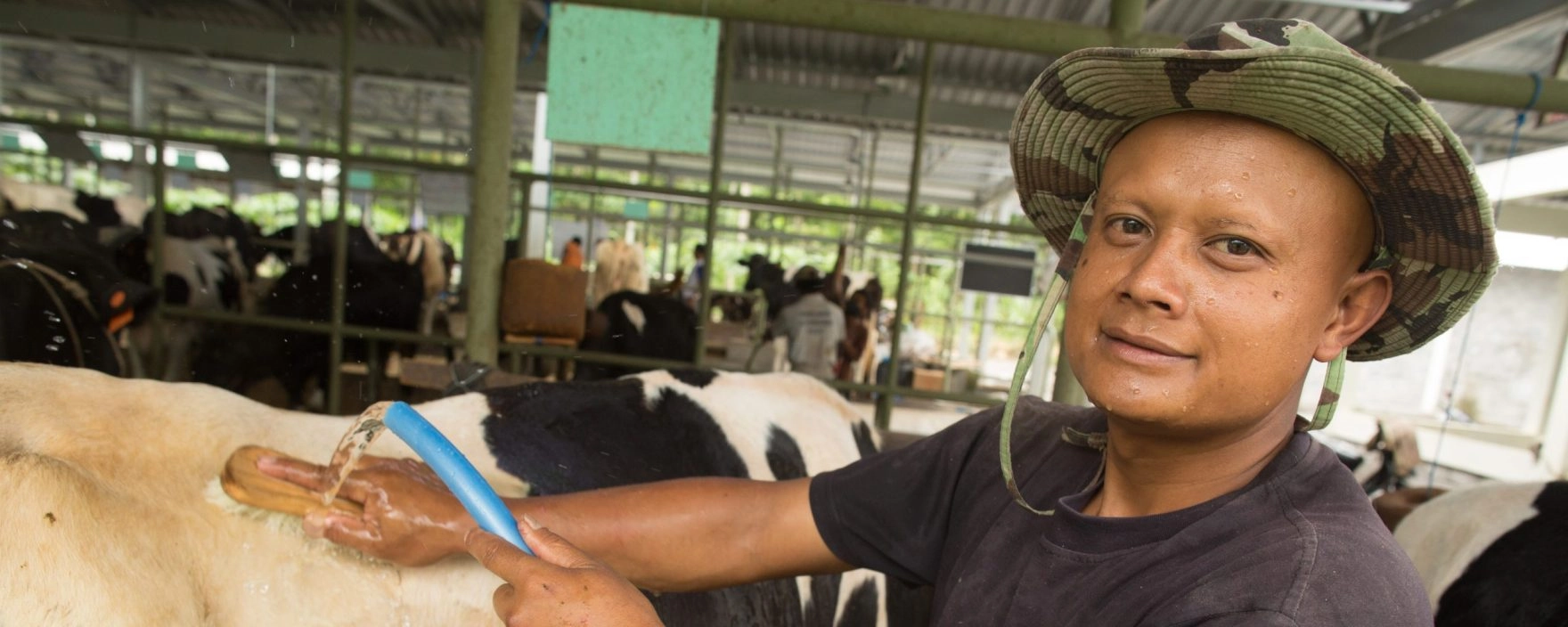
Launched in 2012, the Merapi project helped revive dairy and agricultural activities after the eruption by organizing farmers into self-help groups. It introduced small pilot businesses and established a communal barn, providing shared infrastructure for dairy farmers to house their cows and process milk.
The project directly addressed the needs of local farmers, enabling them to rebuild their livelihoods while contributing to food sovereignty.