2,500+
waste pickers trained and empowered
Last update: 08/08/2025
Transforming the Indonesian Collection and Waste Management System by Empowering its Main Stakeholders
| theme | Inclusive Plastic Collection |
|---|---|
| country | Indonesia |
| status | On-going |
| Implementation Date |
2019
To date
|
| Budget |
958k €
|
| Phase | 2 |
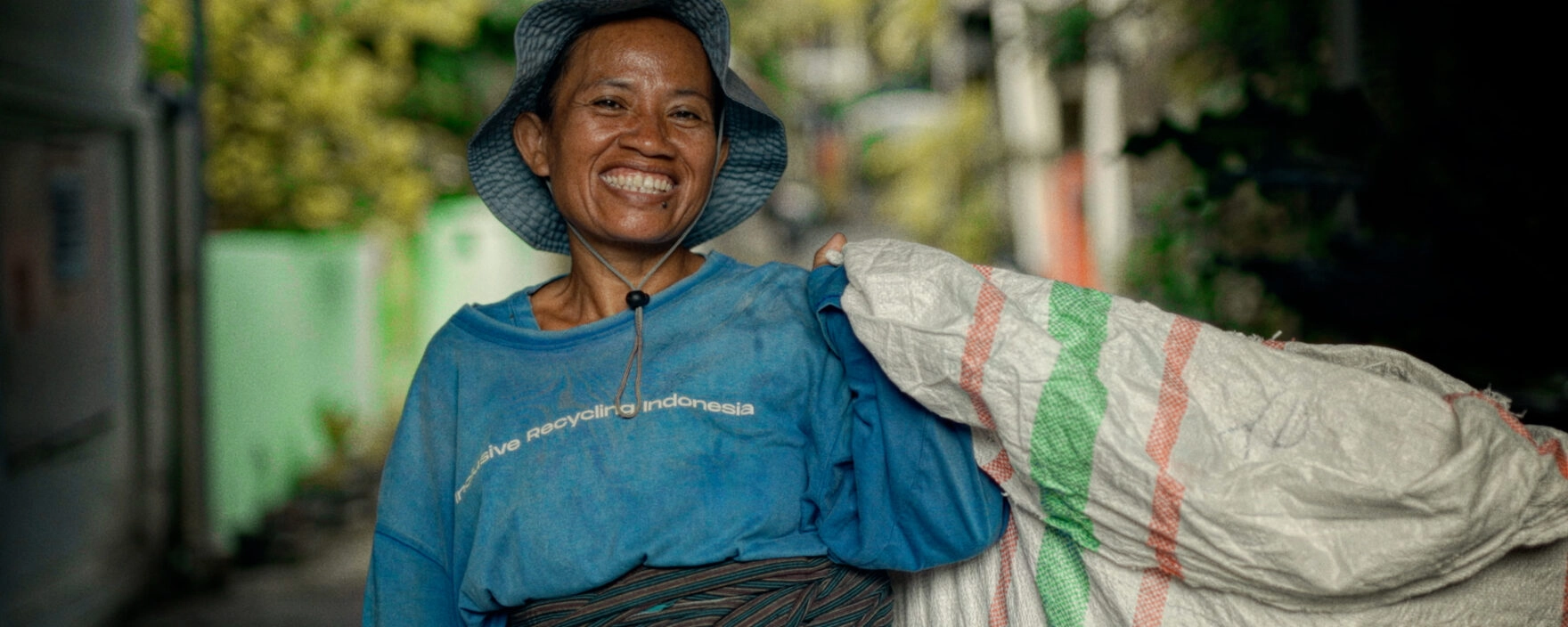
In Indonesia, waste pickers play a pivotal part in the waste collection process. Yet, despite collecting 83% of the plastic waste in Java, waste pickers face challenges like low social recognition for their work, unsafe working environments, and a gender wage gap: on average, women earn around 50% less than men.
These challenges lead to:
Resilient and widespread waste management infrastructure is essential to prevent environmental pollution from plastic. This is unfortunately a challenging task for Indonesia given its condition as archipelagic nation: lack of sufficient infrastructure, combined with an awareness gap in local communities regarding proper separation and dispose of plastic waste has led to over 340k tons per year of plastic making its way into Indonesia’s rivers and streams, and ultimately, into the ocean
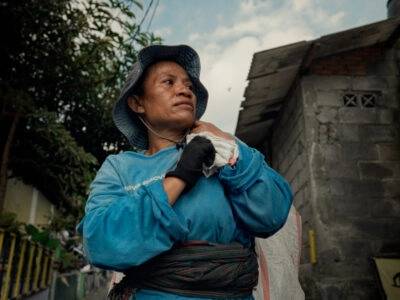
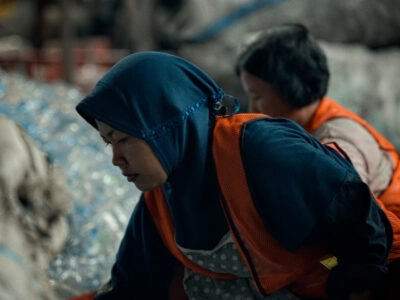
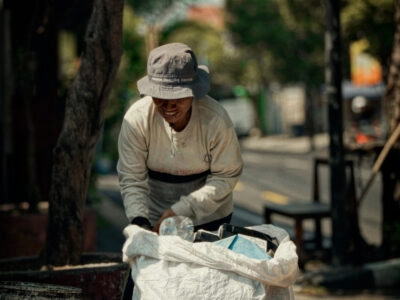
The Indonesian waste management system is composed of both informal and formal actors. Informal actors include Collection Centers, which purchase recyclable waste collected by waste pickers. Formal actors consist of Sorting Centers, which collect waste from households picked up by Sorting Centers employees. Fostering the involvement of both informal and formal actors is critical in building an inclusive and efficient waste management system.
The Inclusive Recycling in Indonesia project supports the development of the waste management ecosystem through various initiatives:
promoting financial literacy, like building the habit of saving money. This strengthensindividual resilience ,especially in times of crisis.
Empowering waste management stakeholders ensures the efficiency and productivity of Collection and Sorting Centers, allowing them to:
The collected PET material from the project is transported to the Veolia facility in Pasuruan, East Java Indonesia to be processed into recycled PET (rPET), enabling a full cycle of circular economy. Currently the project coalition is replicating the project model in other parts of Indonesia, especially areas outside Java that are more remote and face heavier waste infrastructure challenges.

Project Coordinator ASIA
Adrian is working with Danone Ecosystem as Project Portfolio Coordinator in Asia, leading key topics of Watershed Protection & Plastic Collection.