105
Farmers with and increased or secured revenue
Last update: 10/06/2017
Strengthening Sustainable Organic Banana Production and Community Livelihoods in Costa Rica
| country | Costa Rica |
|---|---|
| status | Handed-over |
| theme | Regenerative agriculture |
| Implementation Date |
2012
2017
|
| Budget |
771K
|
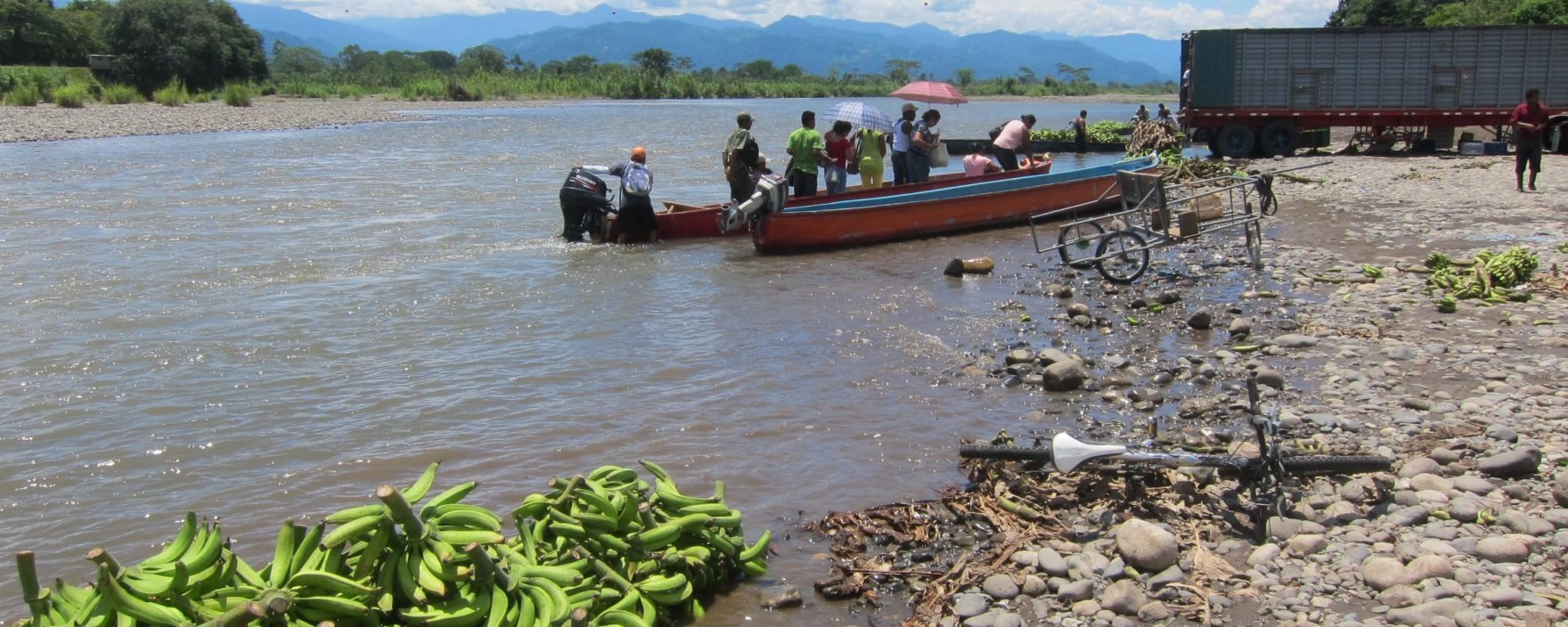
Costa Rica has a large, intensive banana production sector dominated by export-oriented monoculture systems, while organic production has remained limited. This model has relied heavily on the use of synthetic pesticides for decades, including fungicides applied through aerial spraying across plantations. As a result, exposure to agrochemicals has been significant not only for plantation workers but also for nearby communities, with documented impacts on human health.
At the same time, banana production faces structural inefficiencies. Due to the fruit’s high perishability and the complexity of export logistics, substantial losses occur after harvest, particularly during handling, transport, and storage. These losses represent food waste undermining more sustainable food systems.
Launched in 2012, the CAPE project combined environmental sustainability with social empowerment.
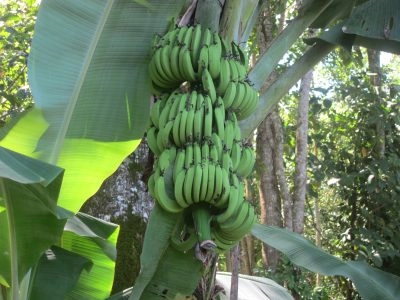
At the heart of the initiative was the promotion of organic banana production, reducing reliance on harmful agrochemicals and contributing to safer working conditions and healthier living environments for surrounding communities.
To address post-harvest losses and reduce waste, the project established a small-scale processing facility capable of transforming bananas into aseptic puree, thereby extending shelf life and creating new opportunities for value creation. By linking this infrastructure with management training and easier access to finance, farmers were able to take greater control over the processing activity, strengthening their capacity to manage resources, improve their livelihoods, and enhance the resilience of local communities.
The project is now independent and has been handed over in 2017.