114
people with an increased or secured revenue
Last update: 24/06/2025
Promoting a Circular Economy by Empowering and Recognizing Waste Pickers
| theme | Inclusive Plastic Collection |
|---|---|
| country | Philippines |
| status | Terminated |
| Implementation Date |
2019
2025
|
| Budget |
104K
|
The Philippines is one of the world’s leading contributors to plastic pollution, ranking third globally. The country generates between 2.7 and 5.5 million metric tons of plastic waste each year, around 20% of which leaks into the environment. Without significant intervention, mismanaged plastic waste could reach 9 million metric tons by 2040 and 11 million by 2060.
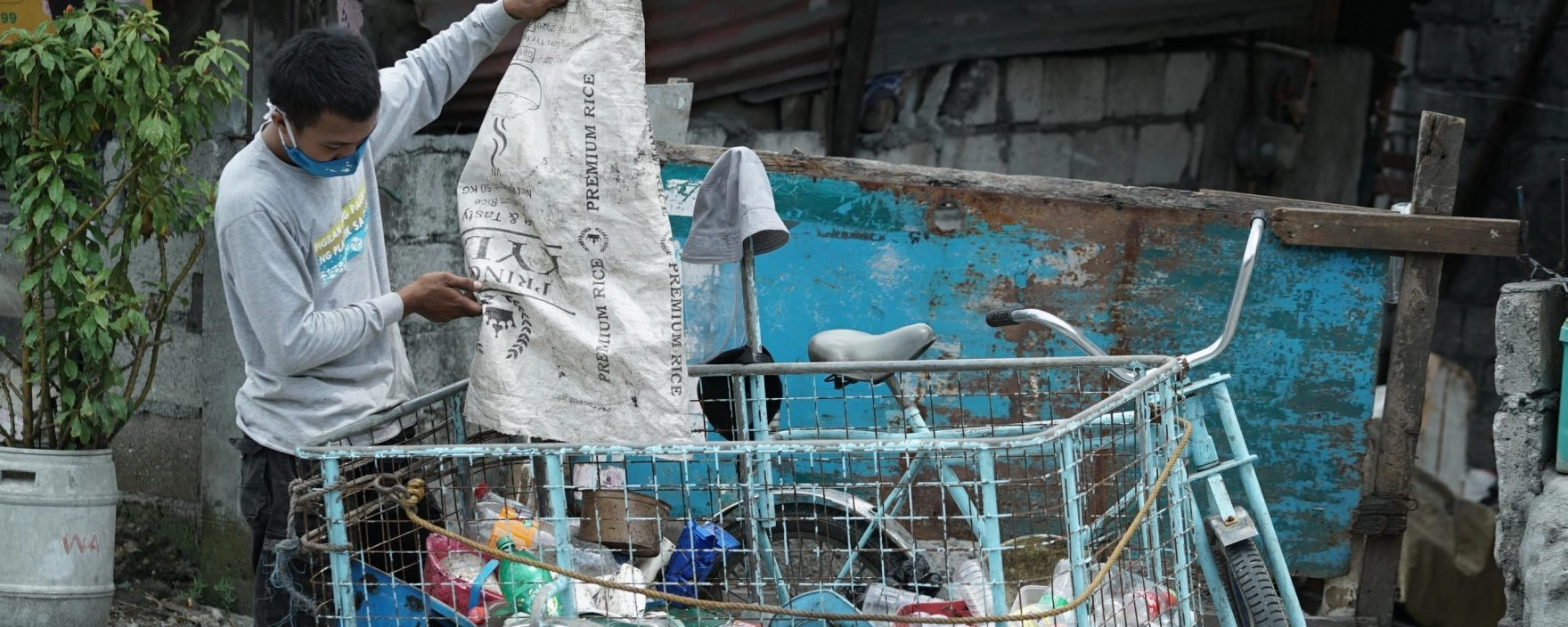
This situation is largely driven by insufficient waste management infrastructure, resulting in a high share of mismanaged plastic waste. A significant portion is collected by the informal sector, where waste pickers play a crucial role in recovering recyclable materials.
It is estimated that over a hundred thousand people in the Philippines work informally collecting, segregating and selling waste for a living. These groups include families, women and children who work either on dumpsites or collect waste from households or garbage collectors. The lack of recognition by the formal waste management system perpetuates their marginalization, exposing them to occupational hazards and restricting fair and secure access to recyclable materials.
Despite their essential contribution, waste pickers remain highly vulnerable: they typically earn about three times less than the minimum wage per day.
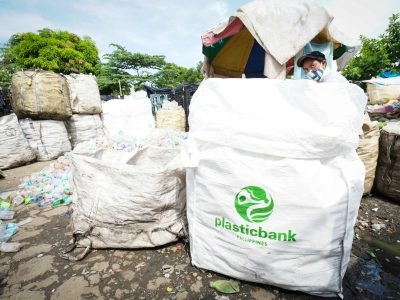
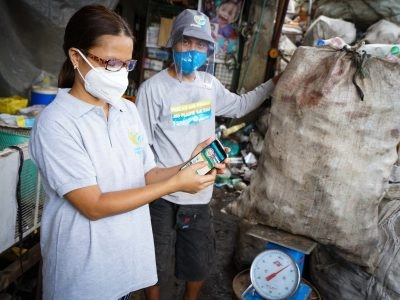
The project was based on the creation of a sorting and conditioning centre for recovered plastic, operating on a “bank” model: waste collectors could register in the system and be paid for the plastic they collected.
The process was supported by a digital, blockchain-based application that ensured secure and transparent transactions, tracked both material and financial flows, and managed a token-based reward system. Even collectors without personal devices were included through equipment available at each centre.
Alongside this, participants received equipment and access to training in literacy, helping them strengthen their skills while generating income. Through this integrated model, the project both reduced plastic waste and improved the livelihoods of vulnerable communities.