1339
people trained
Last update: 24/06/2018
Empowering Smallholder Dairy Farmers in Tunisia
| theme | Regenerative agriculture |
|---|---|
| status | Terminated |
| country | Tunisia |
| Implementation Date |
2012
2018
|
| Budget |
792K
|
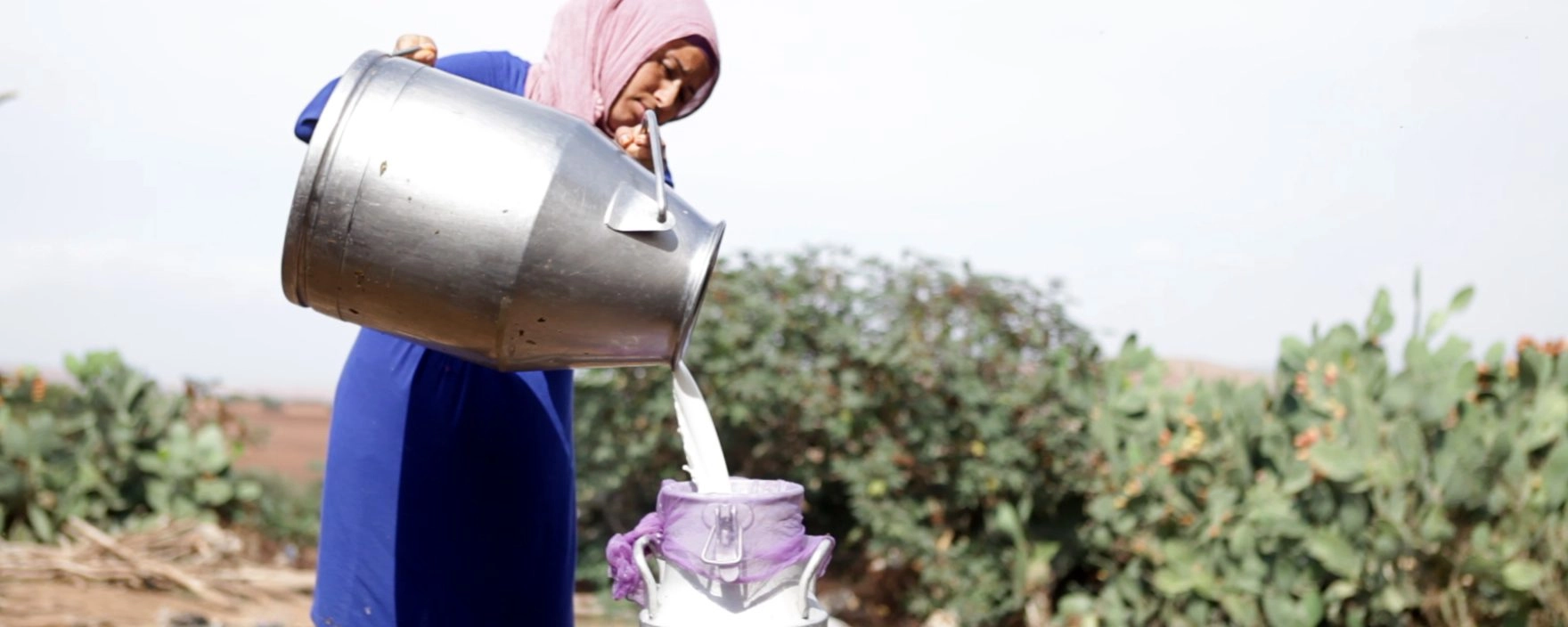
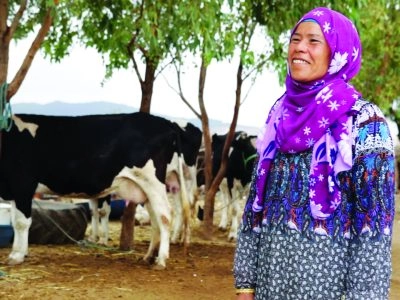
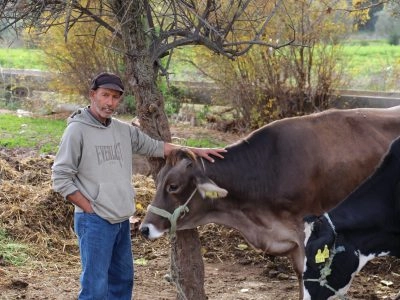
In the early 2010s, the livestock sector in Tunisia played an important role in the national economy and rural livelihoods. The agricultural system was largely dominated by small-scale family farms, representing around 80% of all holdings. Within this structure, the dairy sector was highly fragmented, with most producers operating very small herds (often fewer than 5–10 cows, and typically below 20)
At the same time, the aftermath of the Arab Spring further disrupted the agricultural sector. The period was characterized by increased economic instability and a more cautious banking sector, which limited farmers’ access to credit and investment opportunities. Unemployment rose sharply, particularly among young people. This situation reinforced social and regional inequalities, generated a growing sense of exclusion among rural populations, and contributed to the progressive disengagement of youth from agriculture, increasing rural outmigration.
As a result, dairy production remained inefficient and below its potential, and the sector struggled to meet growing demand in both quantity and quality.
Launched in 2012 with the support of the Danone Ecosystem Fund and its partners, the “Milky Way” project was developed to strengthen capabilities of dairy farmers in Tunisia through targeted training programs.
Farmers were supported by young professionals trained within the initiative, who provided on-the-ground guidance and advisory services. In parallel, access to microcredit was facilitated to enable farmers to invest in inputs such as feed and milking equipment strenthenning milk quality and quality, contributing to the local food sovereignty.