1.2M €
in funding
Last update: 25/06/2015
Developing an Inclusive and Resilient Plastic Collection Model in Tangerang
| theme | Inclusive Plastic Collection |
|---|---|
| country | Indonesia |
| status | Terminated |
| Implementation Date |
2010
2015
|
| Budget |
1.2M
|
In 2010, Indonesia was ranked the second largest country by mass of mismanaged plastic waste. It faced significant challenges in waste management, as rapid urbanization and consumption put increasing pressure on collection and recycling systems. In response, the government tightened regulations, placing greater responsibility on companies to manage and collect the waste they generate.
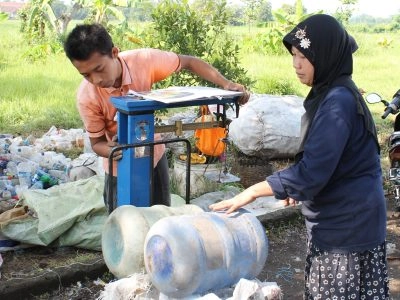
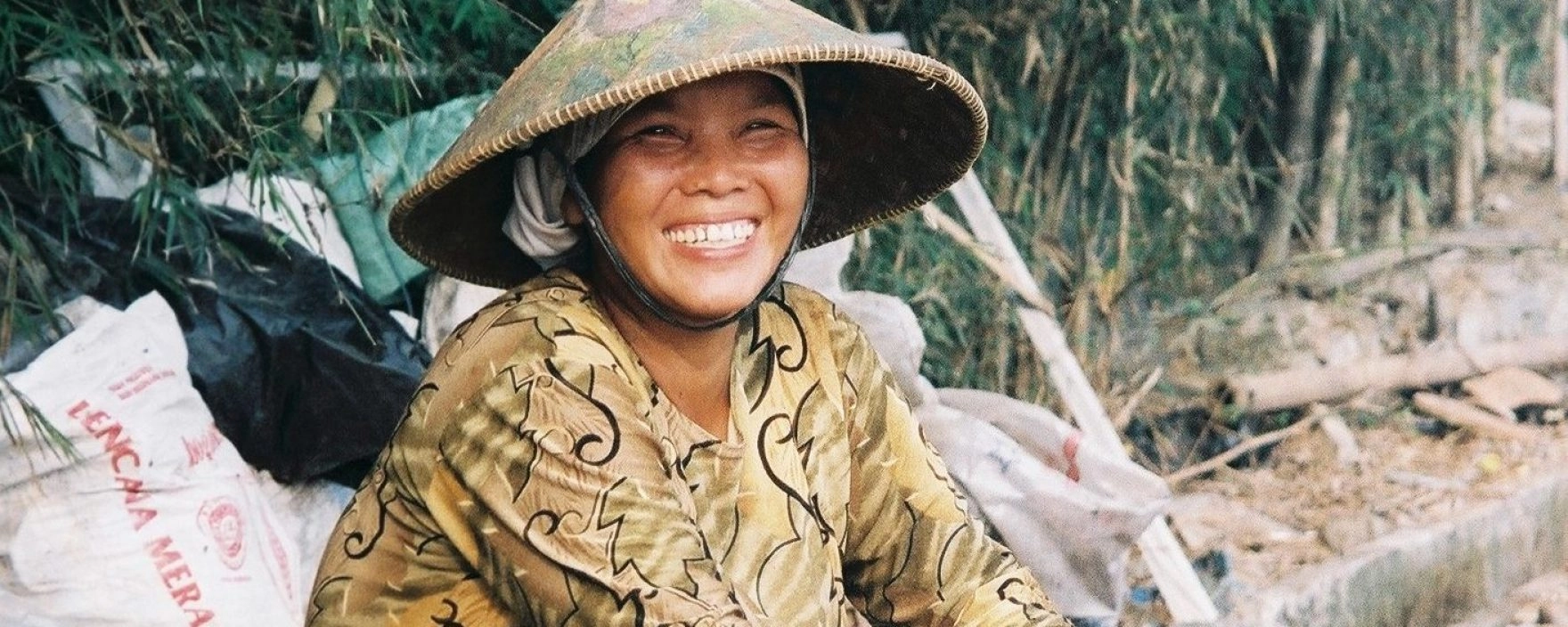
At the same time, the country’s waste collection system relied heavily on informal waste pickers (pemulung), who operate through unrecognized networks. Despite their essential contribution to recycling, pemulung often live and work in precarious conditions, with limited access to clean water, education, healthcare, and safe working environments. Low incomes, health risks, and lack of social protection further exacerbate their vulnerability.
Launched in 2010, with the support of the Danone Ecosystem Fund, Danone AQUA, and local partner Reksa Buana Utama, the Pemulung project was designed to professionalize the informal recycling sector and improve the livelihoods of waste picker communities in Tangerang.
The project established a social recycling business unit, managed and operated by waste pickers and their families. This structured model created an efficient waste‑collection network, increasing collection rates and improving the value recovered from recyclable materials. Microcredit was also developed to increase opportunities to build a profitable small-scale business based on scavenging.
Beyond economic impact, the project placed strong emphasis on social protection and safety. Waste pickers gained access to health services, improved working conditions, and safer environments, reducing exposure to daily risks linked to waste sorting and collection.
The initiative also supported the circular economy by ensuring that all collected materials were recycled and reintegrated into supply chains through both closed‑loop recycling, where materials are reused within the same product system, and open‑loop recycling, where they are transformed for use in different products or industries.
The model reached self‑sufficiency and continues to deliver impact beyond the project’s initial lifecycle.