1
orchard biodiversity decision making tool to help farmers promote biodiversity to improve pest control
Last update: 08/08/2025
Supporting French Farmers in the transition to Regenerative Agriculture
| country | France |
|---|---|
| status | In design |
| theme | Regenerative agriculture |
| Implementation Date |
V1: 2020-05-19, V2: 2023
Phase 2.1: 2023, Phase 2.2: 2026
|
| Budget |
V1 + V2: 8,1 M
|
| Phase | 2 |

French agriculture faces a challenge: incentivizing farmers to produce fruits, vegetables, and cereals that are in compliance with the specific and demanding regulations related to infant nutrition in sufficient capacity to keep supply chains fully local. This disengagement from baby-food production threatens France’s agricultural sovereignty – a problem that will be exacerbated by the ongoing difficulty in recruiting the next generation of farmers.
A specific difficulty lies in supporting producers in the face of major changes such as the decline in biodiversity and increasingly frequent and severe climate-related uncertainties impacting yields.
Pachamama is tackling these challenges and issues by offering technical support for farmers, training and expertise, financial training and expertise, financial support through contracts and subsidies, and research into impact measures.
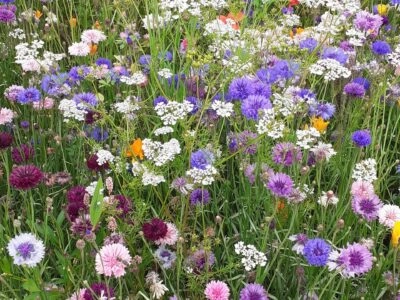
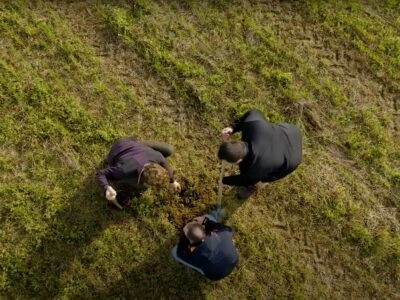
Pachamama’s goal is to support French farmers (fruits, vegetables and cereals) in their transition to Regenerative Agriculture by testing and encouraging practices that protect soil and biodiversity, study the cost of transitioning to Regenerative Agriculture through economic modelling, and federate local players to support the agricultural transition in a collective way.
Since 2019, the Pachamama project has supported French fruit, vegetable, and cereal farmers in their transition to regenerative agriculture through partnership contracts and incentive agroecological bonuses.
Today, Pachamama consists of pilot farms testing regenerative agriculture practices, numerous trained farmers and technicians, and the dissemination of tools to measure the costs and benefits associated with the transition.
EU Projects Coordinator
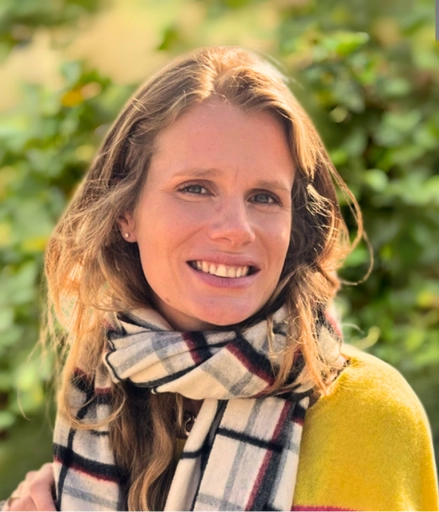
Anouck coordinates the European project portfolio at Danone Ecosystem, working closely with partners across brands and countries.