~270
farmers supported in regenerative practices.
Last update: 08/08/2025
Preserving and Restoring Watersheds in Indonesia through Sustainable Practices
| status | Handed-over |
|---|---|
| country | Indonesia |
| theme | Regenerative agriculture |
| Implementation Date |
2016
2022
|
| Budget |
1.03M
|
Project
Learn everything about the project
Metrics
The effects of our project
Humans of Ecosystem Voices
The people working behind the scenes
Knowledge
How our project relates to our missions
Partners
Those that help us be successful
Supported SDG’s
Sustainable Development Goals
Coordinator
Danone Ecosystem team
The Rejoso watershed, located on the eastern part of Java Island, is a crucial source of water for 1.3 million people in Indonesia.
However, over the years the watershed has faced challenges from land use change and overexploitation of ground water, especially from numerous illegal community wells. Additional landscape challenges and complexity come from conventional horticulture, which causes increased rainfall runoff and worsens the risk of landslides; poor governance of lakes; and over-irrigation of rice fields from self-flowing wells.
These environmental challenges have led to a 30% decrease in the flow rate into Umbulan, the main reservoir supporting the East Java area.
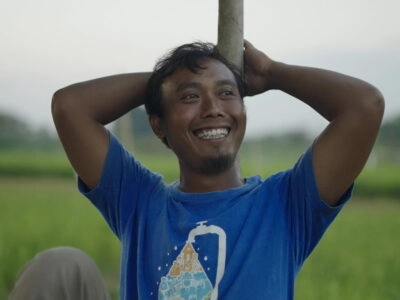
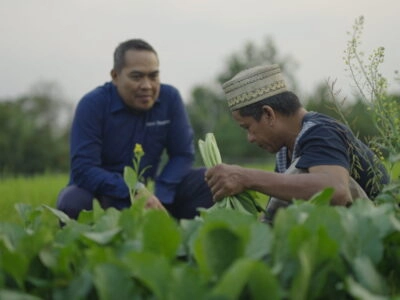
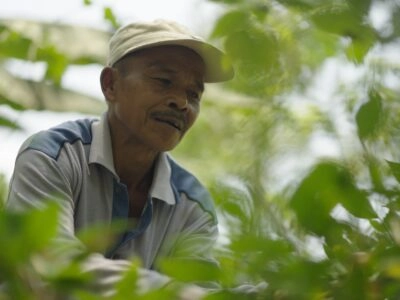
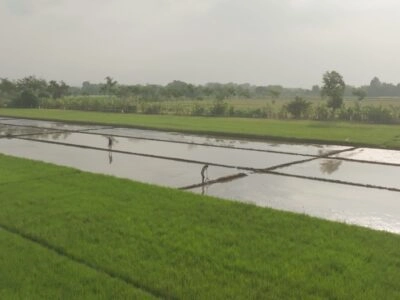
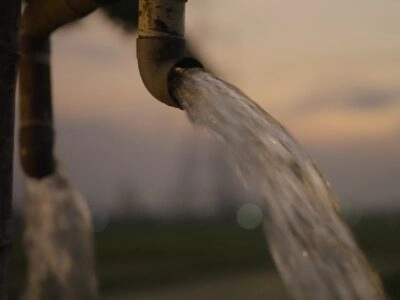
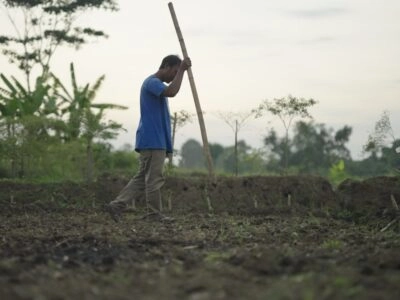
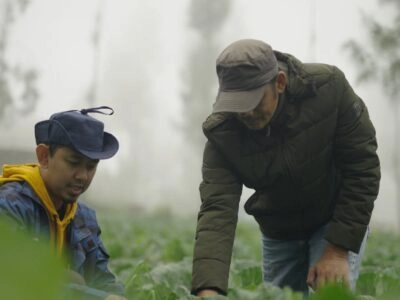
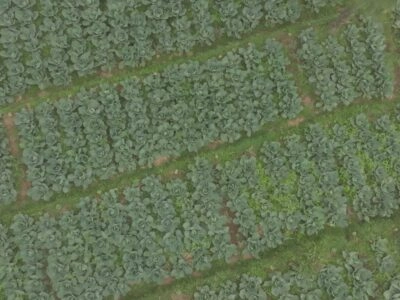
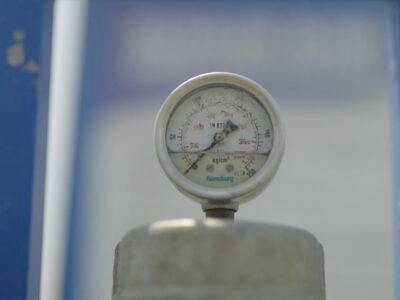
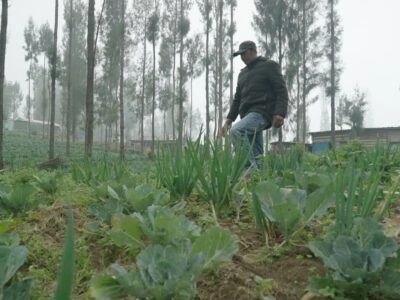
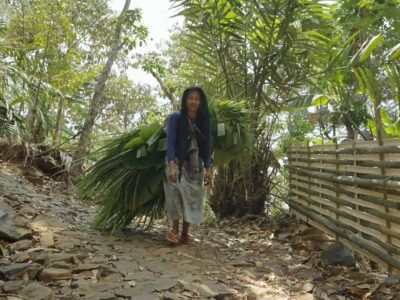
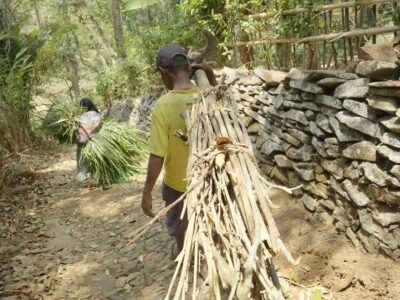
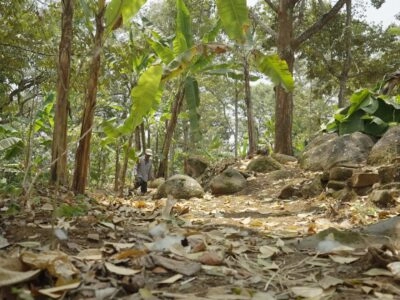
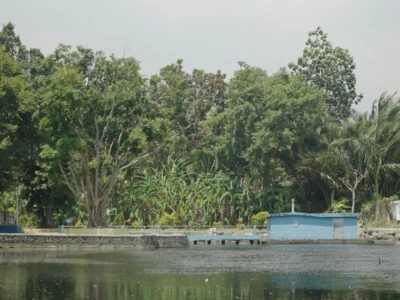
The program covers all parts of the watershed, including upstream, midstream, and downstream, by building a shared responsibility among the water users.
Upstream and midstream:
The Rejoso Kita initiative aids farmers through two main strategies: (1) protecting trees in the upstream areas and reforesting in the midstream areas, and (2) promoting the adoption of sustainable farming practices. Ultimately, these efforts contribute to the protection and preservation of watersheds.
To achieve this, the coalition has developed a system of payments to farmers who adopt and maintain regenerative practices on their land. This approach, known as “Payment for Ecosystem Services,” has proven to be effective. Funding for the initiative comes from both private and public entities that benefit from the collective protection of watersheds.
Downstream
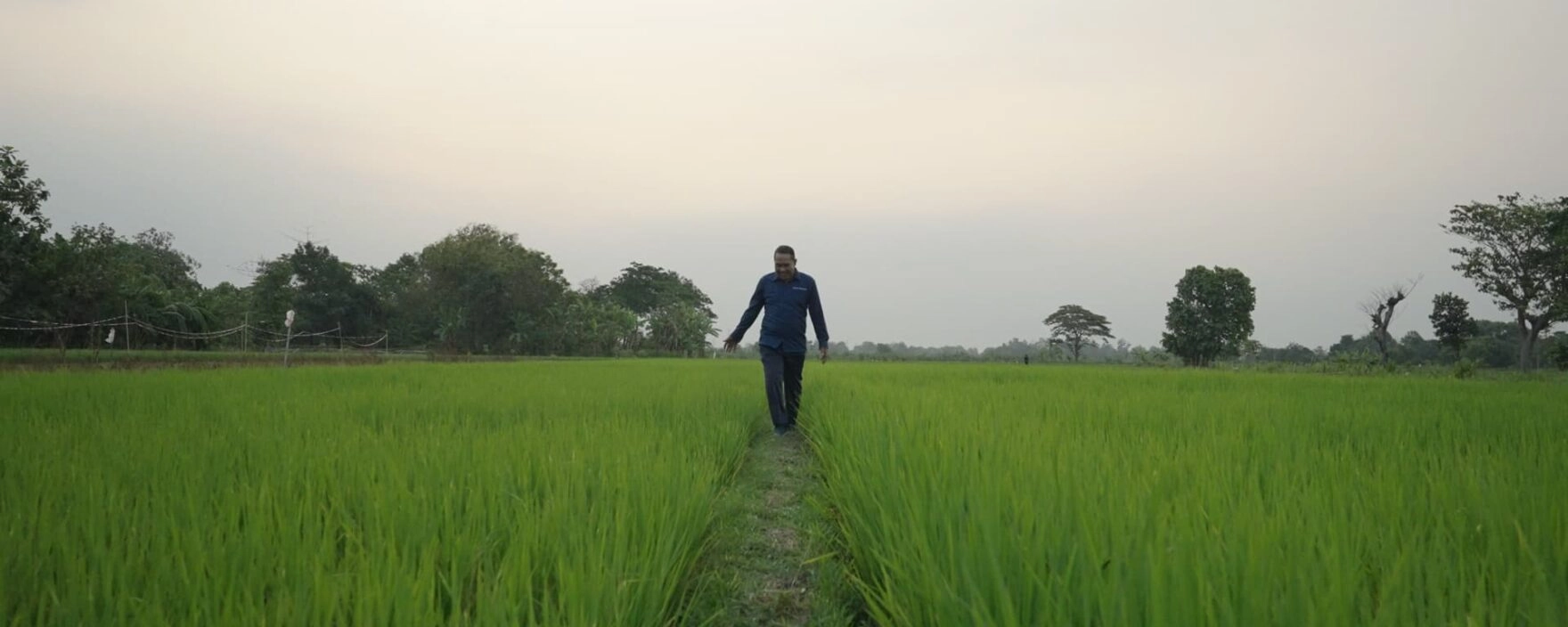
On the other hand, the downstream approach is different. It involves two key components: (1) implementing a sustainable rice cultivation program, and (2) ensuring proper installation of wells to facilitate the adoption of climate-smart practices by rice paddy farmers.
Benefits for the Whole Ecosystem [2023 project impact]
Upstream and midstream, the implementation of best practices has resulted in the preservation of regenerative practices on approximately 106.6 hectares of land, which is equivalent to 152 football fields, as well as the preservation and replanting of over 47,000 trees.
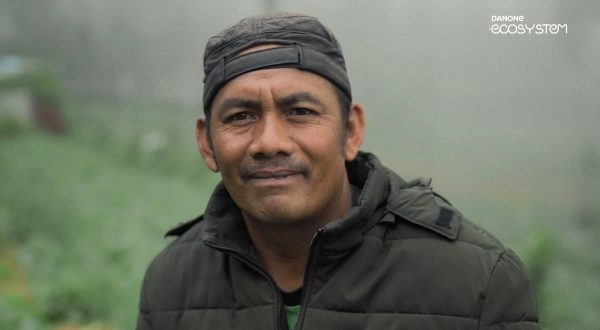
Sukono
Upstream Farmer
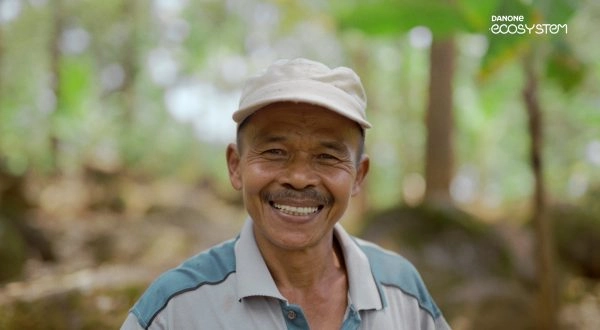
Ngationo
Midstream Farmer
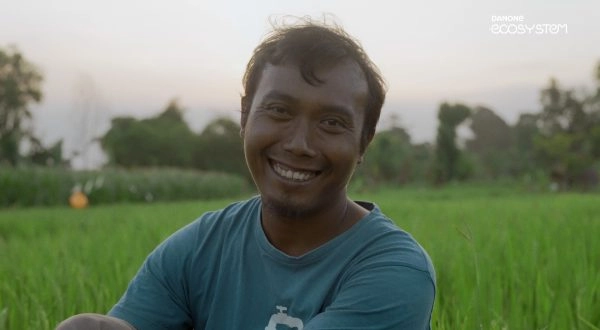
Taufik
Downstream Rice Farmer
Watershed Protection
Published on 31/07/2025
Preserving and Restoring Watersheds in Indonesia through Sustainable Practices
Watershed Protection
Published on 31/07/2025
Discover the Testimonies of Sukono, Ngationo & Taufik, and the Role of the Rejoso Kita Project in Preserving and Restoring Watersheds in Indonesia

Project Coordinator ASIA
Adrian is working with Danone Ecosystem as Project Portfolio Coordinator in Asia, leading key topics of Watershed Protection & Plastic Collection.